

Cystic Fibrosis Market Size, Share, Growth, and Industry Analysis, By Type (Medication, Devices, Others), By Application (Government Research Organizations, Hospitals and Clinics, Regulatory Agencies, Pharmaceutical Companies), Regional Insights and Forecast to 2035
 Buy Now


Cystic Fibrosis Market Overview
The global Cystic Fibrosis Market is anticipated to grow from USD 71988.12 Million in 2026 to USD 115270.3 Million by 2035, registering a CAGR of 5.37% during the forecast period 2026-2035.
The Cystic Fibrosis Market is evolving rapidly as treatment shifts from primarily symptom management toward therapies that target the underlying CFTR protein defect. Medication accounts for approximately 72% of product demand, reflecting broad use of CFTR modulators, mucolytics, antibiotics, pancreatic enzyme replacement, anti-inflammatory therapies, and supportive treatments. Clinical management is also becoming more personalized as genetic testing and theratyping help determine whether patients with uncommon CFTR mutations may respond to available modulators. Hospitals and Clinics remain central to diagnosis, pulmonary monitoring, nutritional care, infection management, and multidisciplinary treatment. At the same time, pharmaceutical research is moving toward next-generation modulators, mRNA approaches, gene delivery, gene editing, and therapies intended for patients who cannot benefit adequately from existing CFTR-directed medicines.
In the United States, the Cystic Fibrosis Market benefits from a highly organized specialist-care network and extensive longitudinal patient monitoring. More than 80% of people with cystic fibrosis in the country are represented within established registry infrastructure, supporting clinical research, treatment optimization, and real-world assessment of therapeutic outcomes. The treatment landscape changed further in 2026 as eligibility for leading CFTR modulator therapies expanded to additional patients with rare mutations that produce CFTR protein. U.S. research organizations are simultaneously funding gene-delivery, splicing, and mutation-independent therapeutic programs designed to extend effective treatment to patients who remain underserved by current modulators. Longer survival is also increasing demand for adult-focused pulmonary care, reproductive health support, metabolic monitoring, and management of complications associated with aging.
Get Comprehensive Insights into the Market’s Size and Growth Trends
 Download FREE Sample
 Key Findings
- Market Driver: Increasing use of CFTR-directed therapy is transforming disease management, with Medication accounting for approximately 72% of product demand as treatment increasingly addresses the underlying protein dysfunction alongside respiratory and nutritional symptoms.
- Major Market Restraint: Unequal treatment access remains a significant constraint, with approximately 18% of eligible or potentially treatable patients facing affordability, reimbursement, geographic access, or genotype-related barriers across different healthcare systems.
- Emerging Trends: Genetic and mutation-independent treatment research is accelerating, with more than 20 active therapeutic programs evaluating gene delivery, mRNA, editing, splicing, or next-generation CFTR restoration approaches.
- Regional Leadership: North America is expected to lead with approximately 44% market share, supported by specialist care centers, advanced diagnostic infrastructure, high modulator adoption, extensive clinical research, and established patient registries.
- Competitive Landscape: Pharmaceutical developers are expanding beyond conventional modulators, with major research portfolios now targeting at least 5 distinct therapeutic mechanisms including CFTR restoration, gene delivery, mRNA replacement, editing, and splicing correction.
- Market Segmentation: Medication leads product demand with approximately 72% share, while Hospitals and Clinics account for approximately 48% of application demand because diagnosis, treatment initiation, monitoring, and multidisciplinary management remain highly specialist-driven.
- Recent Development: Regulatory expansion in 2026 broadened CFTR modulator eligibility to patients with additional rare mutations, potentially extending targeted treatment across hundreds of previously difficult-to-address genetic variants.
Latest Trends
Genetic therapy is emerging as one of the most important long-term trends in the Cystic Fibrosis Market. More than 20 investigational programs are exploring approaches intended to restore functional CFTR activity through gene delivery, mRNA replacement, gene editing, splicing correction, or advanced protein modulation. These strategies are important because currently available CFTR modulators depend on the presence and characteristics of a patient's CFTR protein and therefore do not provide an adequate option for every mutation. Mutation-independent approaches are being designed to address this treatment gap by introducing functional genetic instructions or repairing defective pathways directly. Investment in aerosolized delivery systems is also increasing because effective transport of nucleic acid therapies through thick airway mucus and into lung epithelial cells remains one of the central scientific challenges.
Another major trend is the continued expansion of precision treatment through theratyping and genotype-informed prescribing. Around 1,000 known CFTR mutations occur in fewer than 5 individuals each, making conventional clinical trials difficult for many rare genetic variants. Laboratory-based testing of patient-derived cells can help determine whether an existing modulator produces meaningful CFTR activity for uncommon mutations, supporting broader treatment eligibility and individualized care. Regulatory decisions during 2026 expanded access to leading triple-combination modulators for additional rare mutations that still produce CFTR protein. This trend is encouraging pharmaceutical companies, Government Research Organizations, Hospitals and Clinics, and Regulatory Agencies to use functional testing alongside genetic sequencing when evaluating therapeutic suitability for patients with rare disease-causing variants.
Market Dynamics
Driver
"CFTR-targeted therapies are reshaping long-term disease management."
The increasing availability of CFTR modulator therapy is the strongest driver of the Cystic Fibrosis Market because these medicines address the underlying protein dysfunction rather than only managing downstream symptoms. Medication represents approximately 72% of product demand as patients increasingly receive genotype-directed therapy alongside established respiratory, digestive, nutritional, and infection-control treatments. Triple-combination modulators have significantly expanded the population that can receive CFTR-directed therapy, while continuing eligibility extensions are bringing additional rare mutations into the treatable population. Greater use of genetic testing at diagnosis is also enabling clinicians to identify potential modulator candidates earlier, encouraging treatment initiation before substantial irreversible lung damage develops.
Restraint
"Access disparities continue to limit the reach of advanced therapies."
Unequal access to advanced treatment remains a major restraint despite substantial therapeutic progress. Approximately 18% of patients in less well-resourced treatment environments may encounter significant barriers involving insurance coverage, reimbursement restrictions, delayed diagnosis, specialist availability, or access to genotype-specific medicines. CFTR modulators require appropriate mutation eligibility and ongoing clinical supervision, while their availability differs considerably between countries and healthcare systems. Patients living far from specialized cystic fibrosis centers can also face difficulties accessing pulmonary function testing, microbiology services, nutritional support, and multidisciplinary follow-up. These disparities mean that therapeutic innovation does not automatically translate into equal improvements in outcomes across all patient populations.
Opportunity
"Gene-based and mutation-independent therapies create substantial future treatment potential."
The largest long-term opportunity in the Cystic Fibrosis Market comes from therapies designed for patients who cannot achieve sufficient benefit from currently available CFTR modulators. Approximately 10% of the global patient population remains inadequately served because of mutation type, intolerance, limited response, or access barriers. Pharmaceutical Companies and Government Research Organizations are therefore increasing attention toward inhaled gene delivery, mRNA replacement, gene editing, antisense approaches, and other mutation-independent strategies. These technologies aim to restore functional CFTR activity without depending on a specific protein variant. Successful development could broaden treatment across patients with nonsense mutations, minimal-function variants, and other genetic profiles that remain difficult to address through conventional modulation. Improved lipid nanoparticles, viral vectors, and aerosol delivery systems are also increasing the feasibility of targeting airway epithelial cells through repeatable respiratory administration.
Challenge
"Chronic treatment burden and resistant infections complicate long-term disease management."
Daily treatment burden remains an important challenge because many people with cystic fibrosis must manage multiple medications, airway-clearance routines, nutritional therapies, pancreatic enzymes, exercise, and infection-control measures. Approximately 29% of patients and caregivers identify treatment complexity or adherence pressure as a meaningful barrier to consistent disease management. Even when CFTR modulators improve lung function and reduce exacerbations, supportive therapies may still be required depending on disease severity and organ involvement. Lengthy routines can interfere with school, employment, travel, and daily activities, particularly when patients require nebulized therapies several times per day. Pharmaceutical Companies and device developers are therefore working to simplify treatment schedules, improve inhalation efficiency, and reduce administration frequency without compromising therapeutic effectiveness.
Cystic Fibrosis Market Segmentation
Get Comprehensive Insights on the Market Segmentation in this Report
Download FREE Sample
Get Comprehensive Insights on the Market Segmentation in this Report
Download FREE Sample By Types
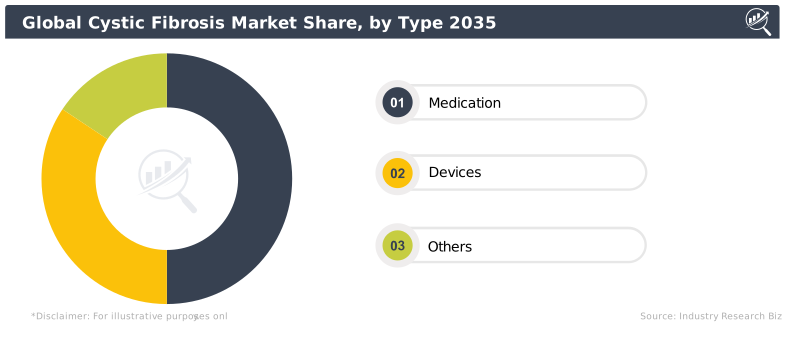
Medication: Medication accounts for approximately 72% of the Cystic Fibrosis Market by type, making it the dominant product segment. Treatment includes CFTR modulators, antibiotics, mucolytics, pancreatic enzyme replacement, bronchodilators, anti-inflammatory therapies, nutritional supplementation, and other supportive medicines. The growing use of genotype-directed therapy has changed the treatment landscape by allowing clinicians to target the underlying CFTR defect in increasingly broad patient populations. Medication demand is also supported by the chronic nature of the disease, which requires long-term management across respiratory, gastrointestinal, endocrine, and nutritional complications.
Medication development is increasingly moving toward next-generation mechanisms and simplified dosing. Approximately 35% of current therapeutic research programs focus on either improved CFTR modulation or mutation-independent approaches designed to extend effective treatment to underserved genetic groups. Pharmaceutical Companies are also developing combinations intended to improve protein production, trafficking, channel opening, or stability. As patients live longer, medication strategies are becoming more individualized according to age, mutation, lung function, infection history, pancreatic status, and comorbidities.
Devices: Devices represent approximately 18% of the Cystic Fibrosis Market by type. Nebulizers, airway-clearance systems, respiratory monitoring equipment, oxygen-support devices, spirometry systems, and other respiratory technologies remain important components of disease management. Devices are particularly relevant for patients requiring inhaled antibiotics, mucolytic treatment, mechanical mucus clearance, or frequent lung-function assessment. Hospitals and Clinics use diagnostic and monitoring systems to evaluate disease progression and treatment response, while many patients rely on portable equipment for routine home management.
Device innovation is increasingly focused on portability, digital connectivity, shorter treatment times, and adherence monitoring. Approximately 27% of newer respiratory devices incorporate electronic tracking, smartphone connectivity, or automated treatment records to help patients and clinicians evaluate therapy use. Smaller nebulizers and more efficient aerosol delivery technologies can reduce administration time, while connected spirometry allows selected measurements to be performed remotely. These capabilities support telehealth and decentralized monitoring, particularly for patients who live far from specialist centers.
Others: Others account for approximately 10% of the Cystic Fibrosis Market by type and include specialized diagnostics, nutritional products, laboratory testing solutions, digital monitoring tools, and supportive technologies that complement medication and respiratory devices. Genetic testing is increasingly important because identification of specific CFTR variants can influence diagnosis, treatment eligibility, and clinical trial participation. Nutritional support also remains essential because pancreatic insufficiency and increased metabolic requirements can affect growth and long-term health.
Approximately 22% of multidisciplinary management programs now incorporate expanded digital, nutritional, or laboratory-support tools beyond conventional medication and airway-clearance devices. Remote monitoring platforms can collect symptoms, spirometry, treatment adherence, and other patient-reported data between clinical visits. Advanced laboratory tests and functional assays are also becoming more relevant for patients with rare mutations. Although this segment is smaller than Medication and Devices, it supports increasingly personalized care across the full disease-management pathway.
By Applications
Government Research Organizations: Government Research Organizations account for approximately 15% of Cystic Fibrosis Market application activity. Public research institutions fund basic science, genetics, infection biology, clinical trials, gene therapy, and translational research intended to improve understanding of CFTR dysfunction and disease progression. These organizations also support natural-history studies and research infrastructure that can help smaller patient populations participate in therapeutic development.
Approximately 26% of early-stage cystic fibrosis research initiatives receive direct or indirect public-sector support, particularly projects involving rare mutations or emerging technologies that may carry greater development risk. Government-supported programs are important for gene editing, delivery technologies, antimicrobial resistance research, and biomarker development. Public research investment can also help generate foundational evidence that Pharmaceutical Companies later use in clinical development programs.
Hospitals and Clinics: Hospitals and Clinics represent approximately 48% of application demand, making them the largest segment. Cystic fibrosis requires multidisciplinary care involving pulmonologists, gastroenterologists, dietitians, respiratory therapists, pharmacists, psychologists, nurses, and other specialists. Hospitals and specialist clinics coordinate diagnosis, modulator eligibility assessment, pulmonary monitoring, microbiological testing, nutritional management, and treatment of acute exacerbations.
Approximately 70% of patients receiving specialist care attend multidisciplinary cystic fibrosis centers several times each year for structured monitoring. These visits may include lung-function testing, sputum cultures, nutritional assessment, medication review, imaging, and screening for complications. Specialized centers also support clinical trials and post-treatment surveillance. As survival improves, hospitals are expanding adult-care services for diabetes, liver disease, fertility, bone health, and age-related complications.
Regulatory Agencies: Regulatory Agencies account for approximately 10% of application activity. Their role includes reviewing new medicines, evaluating expanded mutation eligibility, monitoring safety, overseeing clinical trial requirements, and establishing standards for therapeutic and device approval. Cystic fibrosis presents unique regulatory challenges because many disease-causing variants affect relatively small patient populations, making conventional large-scale clinical trials difficult.
Approximately 19% of regulatory decisions involving advanced cystic fibrosis therapies increasingly rely on biomarker, functional, real-world, or model-based evidence alongside traditional clinical endpoints. Regulators are also evaluating new development pathways for gene therapies and mutation-specific treatments. Greater acceptance of functional testing may enable eligible patients with rare variants to receive established therapies without requiring separate large trials for every mutation.
Pharmaceutical Companies: Pharmaceutical Companies represent approximately 27% of application demand and remain central to therapeutic development, manufacturing, clinical trials, lifecycle management, and commercialization. Companies are investing in next-generation modulators, inhaled medicines, antibiotics, anti-inflammatory agents, genetic therapies, and supportive treatments. Strategic activity increasingly combines internal research with partnerships involving biotechnology companies, academic institutions, and specialist research organizations.
Approximately 34% of active industry-sponsored development programs are directed toward therapies intended either to improve CFTR restoration or reach patients who remain inadequately treated by existing modulators. Pharmaceutical Companies are also using biomarkers, genetic databases, patient registries, and real-world evidence to improve trial design and treatment selection. As the disease becomes more personalized, developers increasingly need flexible clinical strategies capable of evaluating smaller genetic subgroups while maintaining meaningful measures of safety and therapeutic benefit.
Regional Outlook
Get Comprehensive Insights into the Market’s Size and Growth Trends Download FREE Sample
North America
North America accounts for approximately 44% of the Cystic Fibrosis Market, representing the largest regional share. The region benefits from highly developed specialist care networks, extensive genetic testing, widespread use of CFTR modulators, strong clinical trial participation, and organized patient registries. The United States dominates regional activity because cystic fibrosis patients generally receive coordinated multidisciplinary care through specialized centers that combine respiratory medicine, nutrition, pharmacy, microbiology, psychology, and gastrointestinal services. Early diagnosis through newborn screening also supports faster treatment initiation, while access to advanced molecular testing helps identify patients who may benefit from genotype-specific therapies. Strong pharmaceutical research capacity continues to attract development programs targeting next-generation modulators and mutation-independent treatments.
Europe
Europe represents approximately 27% of the Cystic Fibrosis Market, supported by comprehensive public healthcare systems, established specialist treatment centers, national registries, newborn screening programs, and increasing access to CFTR modulators. The United Kingdom, Germany, France, Italy, Spain, and several Northern European countries maintain strong clinical and research capabilities. Regional treatment pathways increasingly emphasize early genetic diagnosis, multidisciplinary follow-up, infection surveillance, nutritional management, and timely introduction of mutation-appropriate therapy. European research institutions also participate extensively in multinational trials evaluating next-generation medicines and gene-based approaches. Approximately 46% of European cystic fibrosis research initiatives incorporate cross-border clinical collaboration, registry analysis, or multinational patient recruitment to address relatively small genetic subgroups.
Asia-Pacific
Asia-Pacific accounts for approximately 22% of the Cystic Fibrosis Market. Historically, cystic fibrosis was considered less common in many Asian populations, but improved genetic testing and broader clinical awareness are increasing recognition of previously underdiagnosed cases. Australia maintains one of the region's most developed treatment ecosystems, while Japan, China, India, South Korea, and other countries are gradually expanding awareness, genetic diagnostics, and specialist respiratory services. Growing access to sequencing technologies is helping clinicians identify CFTR mutations among patients previously diagnosed with other chronic respiratory or gastrointestinal disorders. Approximately 31% of newly identified regional cystic fibrosis cases are being detected through broader genetic testing, expanded diagnostic programs, or improved clinical recognition.
Middle East and Africa
Middle East and Africa represents approximately 4% of the Cystic Fibrosis Market. Diagnosis and treatment availability vary significantly across the region, with stronger specialist capabilities concentrated in Gulf countries, Israel, South Africa, and selected tertiary medical centers. Consanguinity in some populations increases the importance of genetic counseling and molecular diagnosis, while limited newborn screening can delay identification in less developed healthcare systems. Hospitals and Clinics generally remain the primary point of diagnosis and long-term management because specialist cystic fibrosis centers are less widely distributed. Approximately 17% of rare-disease initiatives across more developed regional healthcare systems now include expanded genetic testing or structured referral pathways for inherited respiratory disorders.
Rest of the World
Rest of the World accounts for approximately 3% of the Cystic Fibrosis Market and includes emerging patient populations across Latin America and smaller healthcare markets. Brazil, Argentina, Mexico, Chile, and other countries are improving rare-disease diagnosis and specialist respiratory services, although access to CFTR modulators and advanced genetic testing remains inconsistent. Hospitals and Clinics continue to carry most of the treatment burden, while national patient organizations and research groups are working to improve disease recognition and access to multidisciplinary care. Approximately 14% of emerging-market cystic fibrosis initiatives focus on establishing registries, expanding genetic testing, or improving newborn screening.
List of Top Cystic Fibrosis Market Companies
- AbbVie
- Allergan Plc
- Chiesi Farmaceutici S.p.A.
- F. Hoffmann-La Roche AG
- Gilead Sciences
- Novartis AG
- Pharmaxis Ltd.
- PTC Therapeutics
- Vertex Pharmaceuticals Incorporated
Top 2 Companies with Highest Market Share
- Vertex Pharmaceuticals Incorporated: The company holds an estimated 46% share among leading cystic fibrosis participants, supported by its dominant CFTR modulator portfolio, broad mutation coverage, extensive clinical development programs, and established presence across major treatment markets.
- Chiesi Farmaceutici S.p.A.: The company accounts for an estimated 12% share among prominent participants, supported by its respiratory medicine expertise, inhaled treatment portfolio, specialist-care relationships, and continued investment in therapies addressing chronic pulmonary disease management.
Investment Analysis and Opportunities
Investment activity in the Cystic Fibrosis Market is increasingly directed toward therapies that can address patients who remain underserved by current CFTR modulators. Approximately 38% of emerging research investment is focused on gene delivery, mRNA, gene editing, RNA modulation, or other mutation-independent treatment approaches. These technologies could significantly broaden treatment eligibility by targeting the underlying genetic defect without relying on specific CFTR protein variants. Investors are also supporting improved pulmonary delivery technologies because effective transport of genetic material through thick airway mucus remains a major development challenge.
Digital care, diagnostics, and long-term disease monitoring represent additional investment opportunities. Approximately 30% of new patient-management initiatives now incorporate remote spirometry, adherence tracking, digital symptom reporting, or connected respiratory devices. Longer survival means patients require coordinated care across multiple decades, increasing demand for technologies that reduce treatment burden and allow specialist teams to monitor health between clinic visits. Investment is also expanding in rare-mutation diagnostics, organoid-based testing, microbiological surveillance, and individualized treatment selection.
New Product Development
New product development in the Cystic Fibrosis Market is increasingly concentrated on next-generation CFTR correctors, simplified modulator regimens, genetic medicines, improved pulmonary delivery, and therapies for patients who remain inadequately served by current treatments. Approximately 40% of advanced development activity is focused on improving CFTR restoration or creating mutation-independent approaches capable of treating broader genetic populations. Pharmaceutical Companies are evaluating new corrector classes designed to increase functional CFTR protein beyond levels achievable with existing combinations. Development is also moving toward younger age groups so effective therapy can begin before progressive lung and organ damage becomes established. In parallel, researchers are improving inhaled delivery technologies for nucleic acids and other advanced therapeutics, with the goal of transporting treatment efficiently through airway mucus and into epithelial cells.
Product innovation is also targeting lower treatment burden and more personalized disease management. Approximately 33% of emerging therapeutic and device programs incorporate simplified administration, connected monitoring, precision diagnostics, or individualized response assessment. New respiratory devices are being designed with shorter nebulization times, electronic adherence tracking, and remote connectivity, while laboratory platforms increasingly use patient-derived cells to evaluate therapeutic response in rare mutations. Development pipelines also include next-generation CFTR correctors intended to move patients closer to normal CFTR function. These innovations are important because longer survival means treatment effectiveness must be sustained over several decades while minimizing cumulative burden. Future product development is therefore expected to combine improved medicines with digital monitoring, functional testing, and more efficient respiratory delivery.
Five Recent Developments
- March 2026 – Treatment Access Expanded Across New Zealand: Funding arrangements broadened access to existing CFTR modulators while introducing coverage for a newer triple-combination treatment, extending advanced therapy to additional eligible patients from April 2026.
- April 2026 – Rare Mutation Eligibility Expanded Significantly: U.S. regulatory approval expanded CFTR modulator indications to additional mutations producing CFTR protein, making approximately 800 more people with cystic fibrosis eligible for modulator treatment for the first time.
- June 2026 – Pediatric Modulator Data Strengthened Development: Phase 3 findings in children aged 2 to 5 showed that approximately 65% achieved sweat chloride levels below the diagnostic threshold after treatment with a next-generation triple-combination modulator.
- August 2026 – Gene Delivery Research Received New Funding: Additional investment was directed toward improving pulmonary genetic-therapy delivery technologies, strengthening development of mutation-independent approaches intended to reach patients who cannot benefit sufficiently from existing CFTR modulators.
- September 2026 – AI-Based Genetic Delivery Research Advanced: New research funding supported artificial intelligence-driven discovery of genetic therapy delivery vehicles, with investment approaching 7.3 million in dedicated funding to improve delivery efficiency for future cystic fibrosis treatments.
Report Coverage
The Cystic Fibrosis Market report provides detailed analysis of treatment products, healthcare applications, regional adoption, competitive activity, clinical innovation, investment priorities, and changing patient-care requirements. Product segmentation covers Medication, Devices, and Others, with Medication representing approximately 72% of demand because long-term disease management depends heavily on CFTR modulators, antibiotics, mucolytics, pancreatic enzyme replacement, nutritional therapies, and other medicines. Application coverage includes Government Research Organizations, Hospitals and Clinics, Regulatory Agencies, and Pharmaceutical Companies. Hospitals and Clinics lead with approximately 48% of application demand because cystic fibrosis requires multidisciplinary diagnosis, pulmonary monitoring, microbiological testing, nutritional assessment, medication management, and treatment of exacerbations. The analysis also examines genetic testing, theratyping, connected respiratory devices, remote spirometry, gene delivery, mRNA technologies, next-generation CFTR correctors, and mutation-independent therapies.
Regional analysis covers North America, Europe, Asia-Pacific, Middle East and Africa, and Rest of the World, with combined regional market shares totaling exactly 100%. North America leads with 44%, followed by Europe at 27%, Asia-Pacific at 22%, Middle East and Africa at 4%, and Rest of the World at 3%. Competitive coverage includes AbbVie, Allergan Plc, Chiesi Farmaceutici S.p.A., F. Hoffmann-La Roche AG, Gilead Sciences, Novartis AG, Pharmaxis Ltd., PTC Therapeutics, and Vertex Pharmaceuticals Incorporated. The report evaluates opportunities associated with expanded CFTR modulator eligibility, pediatric treatment, rare-mutation testing, gene-based medicine, digital monitoring, and longer patient survival.
Cystic Fibrosis Market Report Coverage
| REPORT COVERAGE | DETAILS | |
|---|---|---|
|
Market Size Value In |
USD 71988.12 Million in 2026 |
|
|
Market Size Value By |
USD 115270.3 Million by 2035 |
|
|
Growth Rate |
CAGR of 5.37% from 2026-2035 |
|
|
Forecast Period |
2026 - 2035 |
|
|
Base Year |
2025 |
|
|
Historical Data Available |
Yes |
|
|
Regional Scope |
Global |
|
|
Segments Covered |
By Type :
By Application :
|
|
|
To Understand the Detailed Market Report Scope & Segmentation
Download FREE Sample
|
||
Frequently Asked Questions
The global Cystic Fibrosis Market is expected to reach USD 115270.3 Million by 2035.
The Cystic Fibrosis Market is expected to exhibit a CAGR of 5.37% by 2035.
AbbVie, Allergan Plc, Chiesi Farmaceutici S.p.A., F. Hoffmann-La Roche AG, Gilead Sciences, Novartis AG, Pharmaxis Ltd., PTC Therapeutics, Vertex Pharmaceuticals Incorporated
In 2026, the Cystic Fibrosis Market value will reach at USD 71988.12 Million.

Related Reports

Our Clients






























.svg)
